News website sued over prison abuse claims

A respected Russian news website dedicated to reporting human rights issues has been sued by the regional Russian Federal Penitentiary Service. With support from MLDI, lawyers with The Mass Media Defence Centre are fighting the case.
YouTube – an internet freedom case that will impact on people throughout the Islamic world

“Working with MLDI, we were always more credible, more authentic, more confident”
In Rwanda, we helped free two journalists from jail

Two Rwandan women who were jailed for their independent journalism are now free and courageously pursuing their reporting work – after MLDI succeeded in getting their sentences reduced. But the fight continues on an international level to set a precedent that could help other journalists who are threatened under Rwanda’s criminal defamation and national security […]
What happened next: Gunta Sloga, Latvia

“In the end, the politician who sued me was very unhappy because not only had he lost the case but the story had been retold over and over again in the press. My main victory – if you could call it that – is that he wasn’t re-elected to the European Parliament. I don’t think that’s 100 per cent down to my story but I do feel there’s at least one brick in the wall put there by me.”
Focus on: Press and Net Freedom in Russia

“Although our Constitution provides for freedom of speech and freedom of the press, the Russian media does not consider itself free, being very much pressured by authorities, harassed, convicted for practicing their profession. Parliament is introducing new limitations to media freedom and freedom of expression almost on a weekly basis to silence oppositional voices and […]
Burundi’s Repressive Press Laws Challenged

MLDI and the Burundi Union of Journalists are hoping that the case against the government will begin in the last quarter of 2014. One year after the Burundian parliament adopted a repressive press law that has seen journalists threatened with heavy fines and some of their sources imprisoned, the country’s journalists’ union and the Media […]
Reporting on Issues of Corruption in Nigeria
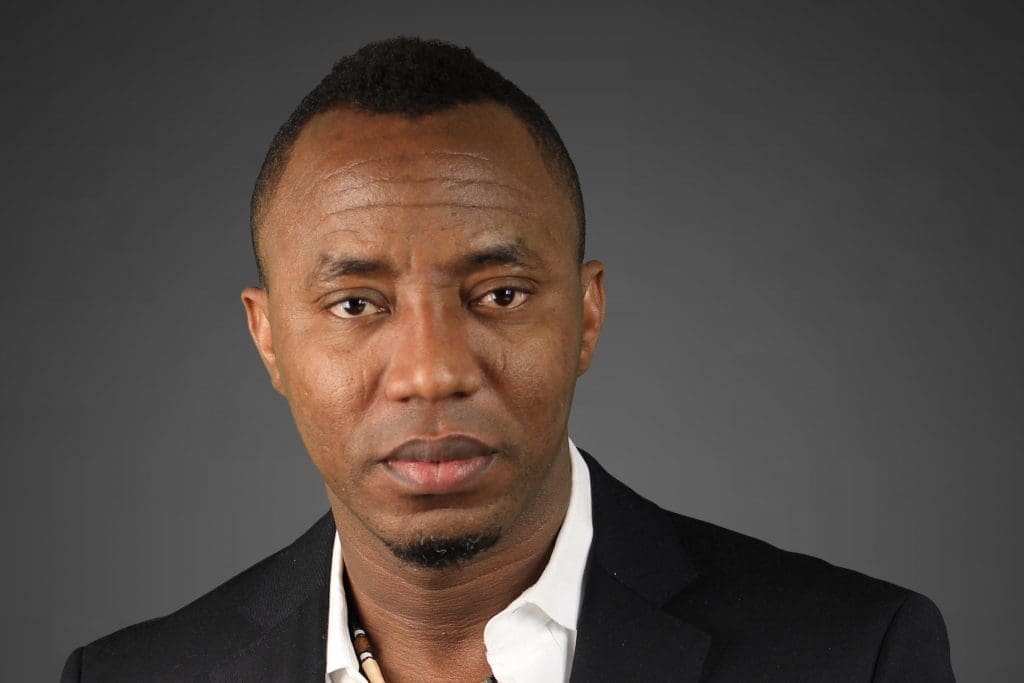
Omoyele Sowore set up Sahara Reporters in 2006 to report on issues of corruption. He has been subjected to numerous verbal and written attacks and three different legal cases. MLDI has supported him in each of these cases by providing him with pro bono legal support. In the most recent a Nigerian lawyer, who had been instructed by the Nigerian Government to pursue Sowore, has himself been exposed as corrupt and in May was sentenced to six years in prison.
Reporting Corruption in Sri Lanka
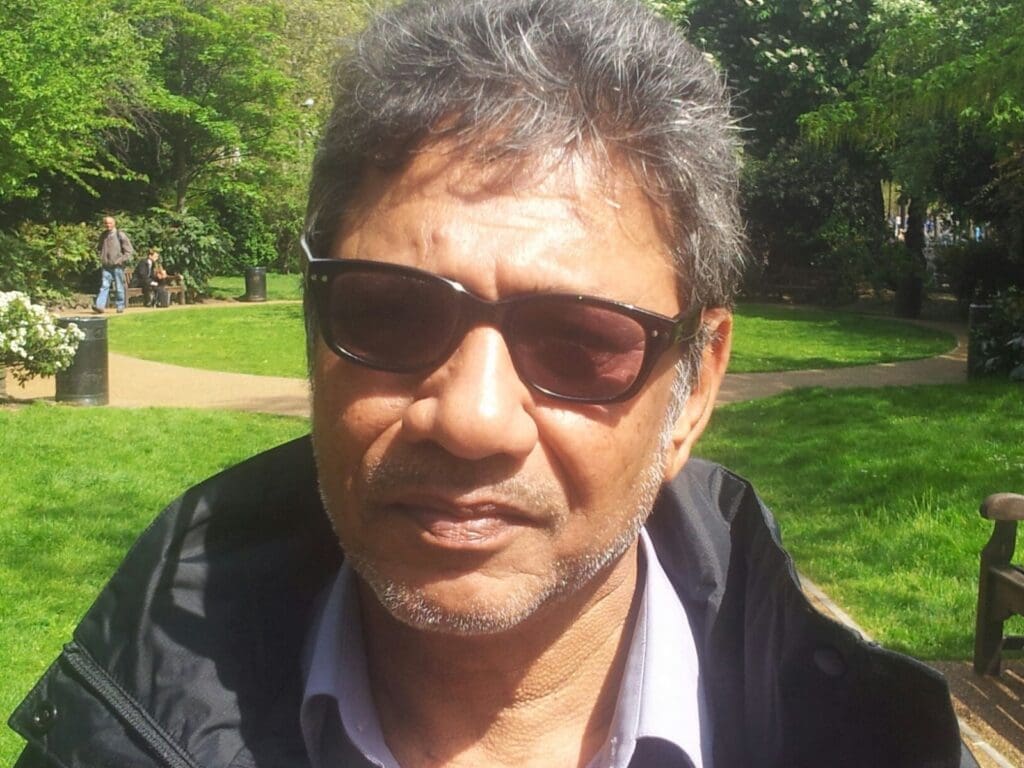
In June 1994, brothers Lasantha and Lal Wickrematunge set up the Sunday Leader, with a focus on reporting about corruption and governance issues within the government. From the very earliest days the government was attacking their efforts and in 2009 Lasantha was brutally killed. Lal tells us more about the brothers’ vision and what is happening today in Sri Lanka.
“Super Lawyer” Rob Balin

Besides his law practice, in which he represents news organisations and journalists in all aspects of media legislation, Rob teaches media law at Columbia University Law School. He has also provided media law training to lawyers in Thailand and Malaysia and journalism students in China, and has lectured and written widely on media law issues. […]
My Story: Nazeeha Saeed

Nazeeha Saeed, a Bahraini correspondent for France 24 and Radio Monte Carlo, was severely beaten and tortured in police custody two years ago. Here, she describes her attempts to have those responsible prosecuted.
What Happened Next: Joel Eshikumo

In 2009, Joel Eshikumo, a journalist in Western Kenya, was jailed after a court ruled that an article of his libelled the principal of a top boarding school. But Joel, who reports for the Weekly Citizen, says the article wasn’t his and that he had no idea there was a case against him, only hearing about it when ordered to pay damages. Three years on, he says he is campaigning for justice.
Focus On: The Philippines

“The conviction rate for murderers of journalists is just 1 per cent, which means that assassins get away with it. They often enjoy protection from powerful people, and policemen lack the resources to go after them.” The Philippines has a vibrant media scene. A wide variety of views are aired by newspapers, radio and television […]