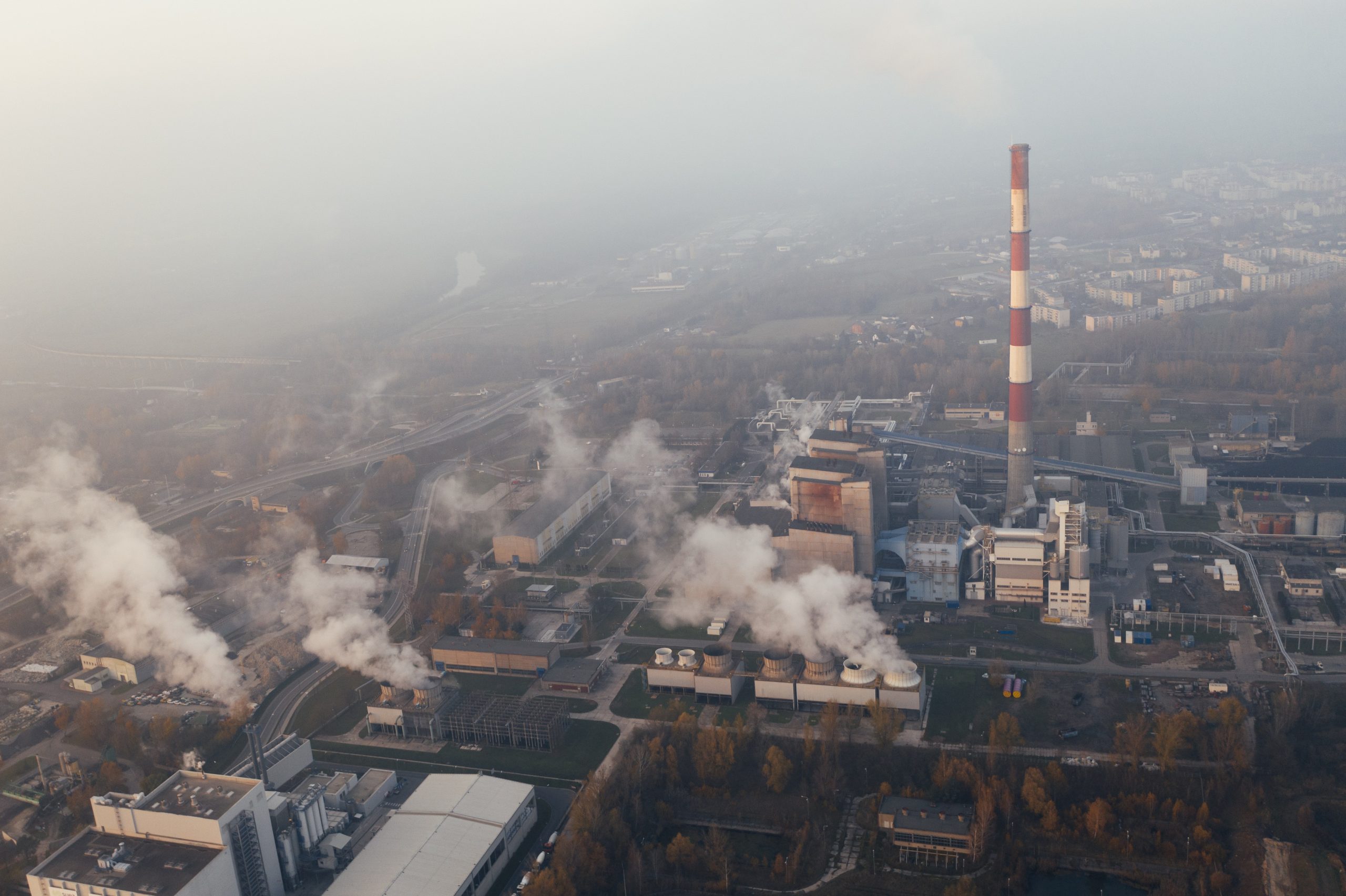
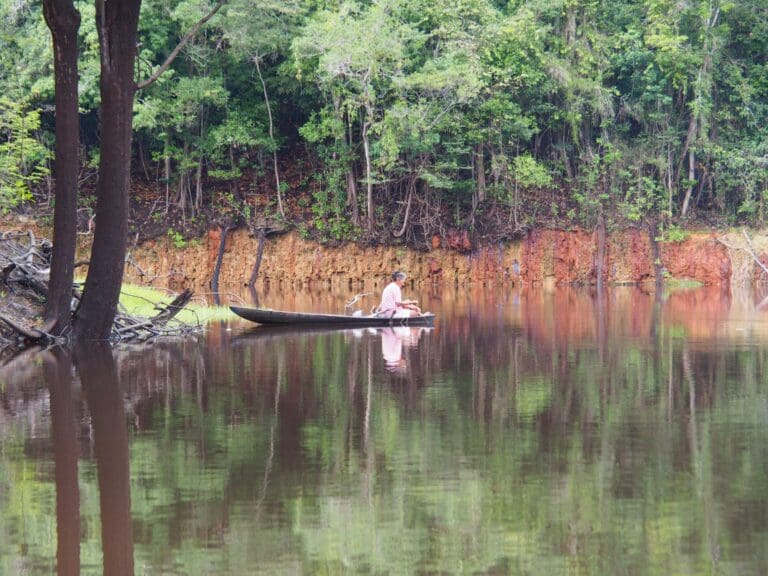
Environmental journalists around the world report on critical and sensitive topics, including deforestation, illegal mining, land seizures and pollution. By investigating and uncovering private and state activities that impact adversely on the environment, they provide the public with essential information.
At the same time, they provide this critical service at a cost. Reporting on the environment has become one of the most dangerous jobs in journalism. Over the past 15 years at least 749 journalists have been attacked and 44 have been killed as a direct result of their work reporting on environmental issues. Countless others have suffered online violence, surveillance, harassment, intimidation, cyberattacks and SLAPP lawsuits.
In the face of the escalating climate crisis, rampant climate-related disinformation, and media landscapes increasingly warped by political and corporate pressure, it is vital that journalists are able to report on environmental issues. Given that the impunity rate for attacks on environmental journalists stands at an alarming 90%, it is no surprise these deplorable acts have a chilling effect on freedom of expression.
At Media Defence, we work to protect that reporting by providing financial and substantive legal support. We also litigate strategic cases of our own, targeting laws which undermine the media’s ability to report on environmental issues. Finally, we work to combat impunity where crimes against environmental journalists occur.